

Suitable gear grease creates a lubricating layer between the contacting surfaces, reducing friction and direct contact between the gear teeth and allowing the gears to move more smoothly. This is particularly important in systems where gears operate continuously or under pressure, as proper lubrication can help prevent heat generation, excessive noise, and rapid wear of the gear teeth.
Choosing the right grease not only reduces wear but also helps protect gears against corrosion, reduce energy loss, and extend component service life. However, the gear type, tooth material, operating speed, load level, and operating temperature should be considered when selecting the grease so that the lubricant is compatible with the system's conditions and maintains its performance over time.
What Are the Characteristics of Gear Grease?
Suitable gear grease should be able to remain at the point of contact between the gear teeth and maintain its protective properties during movement and under applied pressure. In addition to reducing friction, this lubricant helps control temperature and prevent gear tooth wear.
The most important characteristics of gear grease include:
- Suitable adhesion
- High pressure resistance
- Wear resistance
- Suitable thermal stability
- Oxidation resistance
- Corrosion protection
- Mechanical stability
What Is the Best Grease for Metal Gears?
Grease for metal gears is used to lubricate teeth that are exposed to continuous pressure and friction. In many applications, EP2 lithium complex grease is a suitable option for these types of gears and, by creating a protective layer, helps reduce wear and heat. For gears operating under more demanding conditions, greases containing EP additives or molybdenum-containing greases can also be used.
Grease for Plastic Gears
Plastic gear grease is used to lubricate gear teeth that are exposed to friction and pressure during operation. In many applications, silicone grease is a suitable option for these types of gears and helps provide smoother movement. When choosing plastic gear grease, it is better to consider the type of plastic and the gear's operating conditions to help reduce friction and ensure smoother gear movement.
Printer Gear Grease
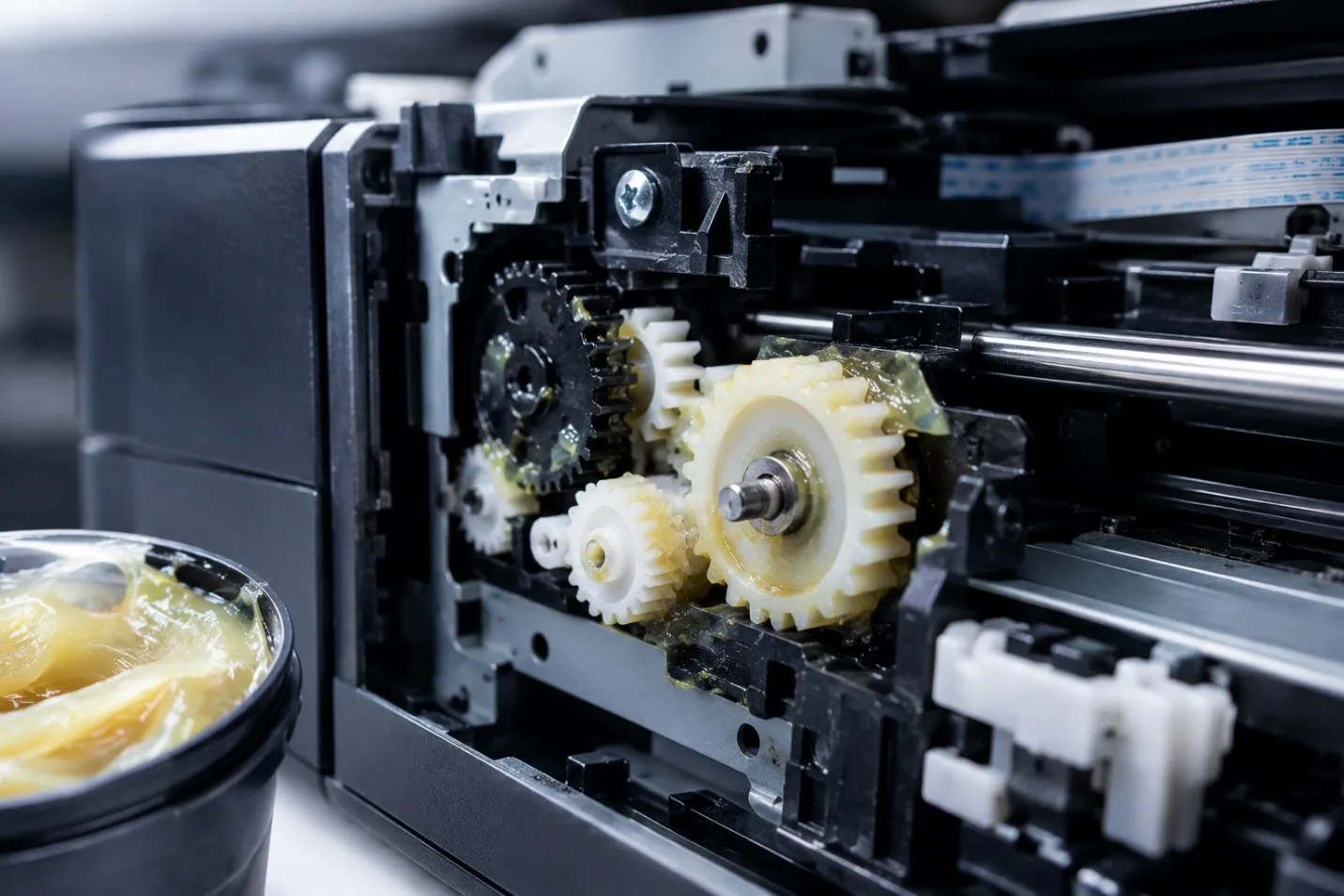
Printer gear grease is used to lubricate gears that are constantly moving while the printer is operating. For these devices, white lithium grease is a suitable option and can help reduce friction, noise, and wear of the gears. In some printers, silicone grease is also used to lubricate moving components and gears. Keep in mind that the final grease selection depends on the printer model and operating conditions.
Gear Grease Replacement Interval
In general, the gear grease replacement interval depends on the level of use, pressure, and operating temperature of the machine. Under normal conditions, however, it is better to inspect the grease every 6 to 12 months and replace it if necessary. If the gears operate frequently or signs such as unusual noise, increased friction, or grease drying are observed, it is better to replace the grease.
In general, EP2 lithium complex grease is a good option for metal gears, and molybdenum grease is also used in some applications. The best grease for gears should be selected based on the type of gear and its operating conditions to ensure proper lubrication.
Important Tips for Gear Greasing
Proper gear greasing allows components to move more smoothly and helps prevent premature wear. When choosing the best grease for gears, it is important to consider the type of gear and its operating conditions. The amount of grease, greasing interval, and how to clean the gear before applying new lubricant are important points that should not be overlooked.
Choosing the Right Gear Grease
The grease should be compatible with the gear material and its operating conditions. Metal gears generally require greases that can withstand high pressure and friction, while plastic gears should be lubricated with greases that do not damage the plastic surface.
Using the Right Amount
The amount of grease should be sufficient to properly lubricate the gear surface and create a layer of grease on the teeth. Using too much grease can cause dust and dirt to accumulate and make gear movement more difficult.
Consider the Gear Material
Metal and plastic gears may require different lubricants. Grease that is suitable for metal gears is not necessarily a good choice for plastic components and may even damage them. Therefore, it is better to consider the gear material when selecting the grease.
Greasing at the Right Time
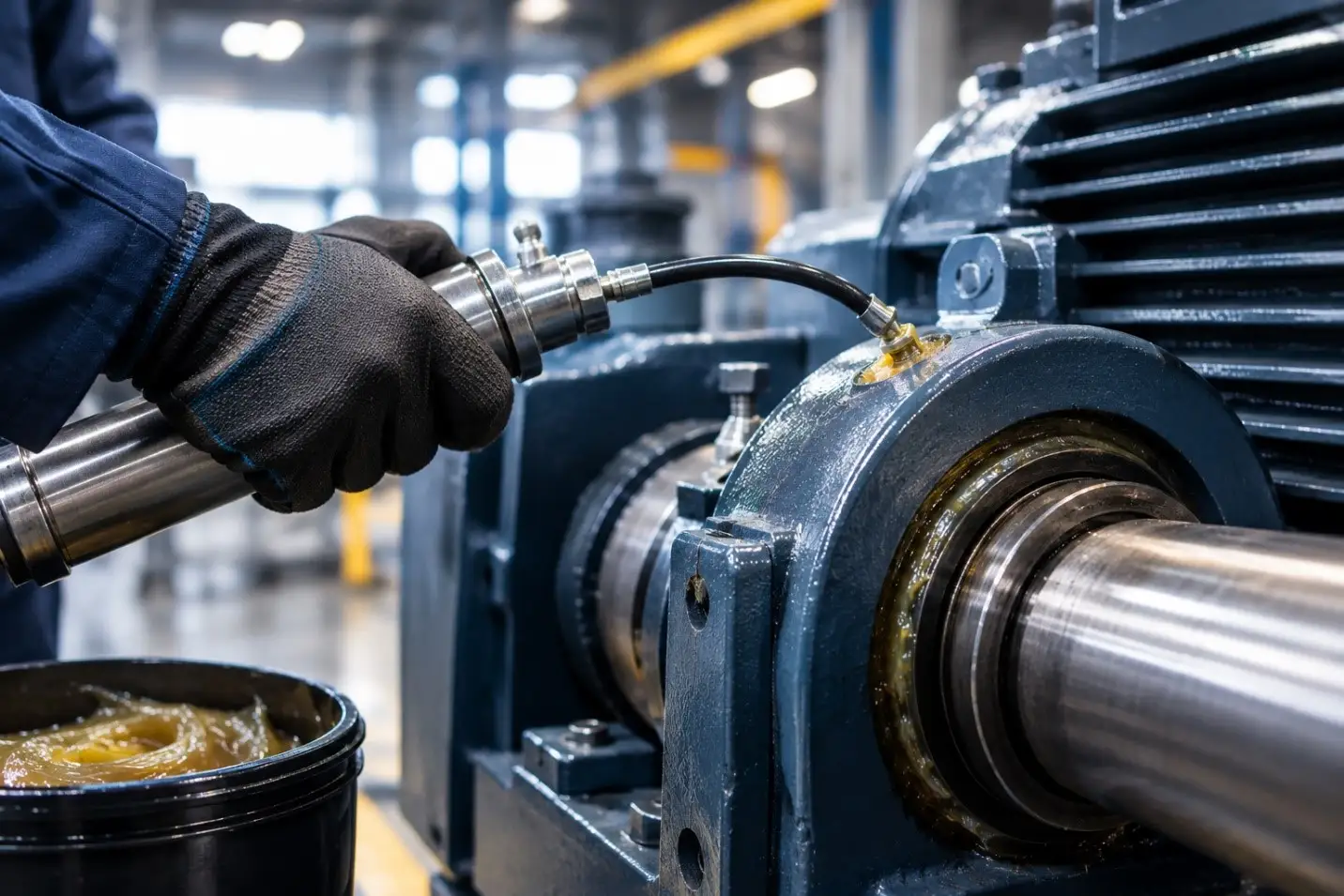
Gears that are used frequently should be inspected and greased at shorter intervals. Continuous operation can cause the grease to gradually decrease or dry out, reducing the lubrication of the component. Regular inspection and adding grease at the right time can help ensure smoother gear movement and reduce wear.
We learned that choosing the right grease plays an important role in improving performance and extending the service life of gears. Using the best grease for gears can also help reduce friction, wear, and excessive noise during operation. Therefore, not every grease is suitable for every type of gear, and the grease should be selected based on the component material, pressure level, and operating conditions. Using suitable gear grease can help prevent premature component failure and keep the equipment operating in optimal condition for a longer period.