
Silicone Grease Manufacturing with your brand and packaging
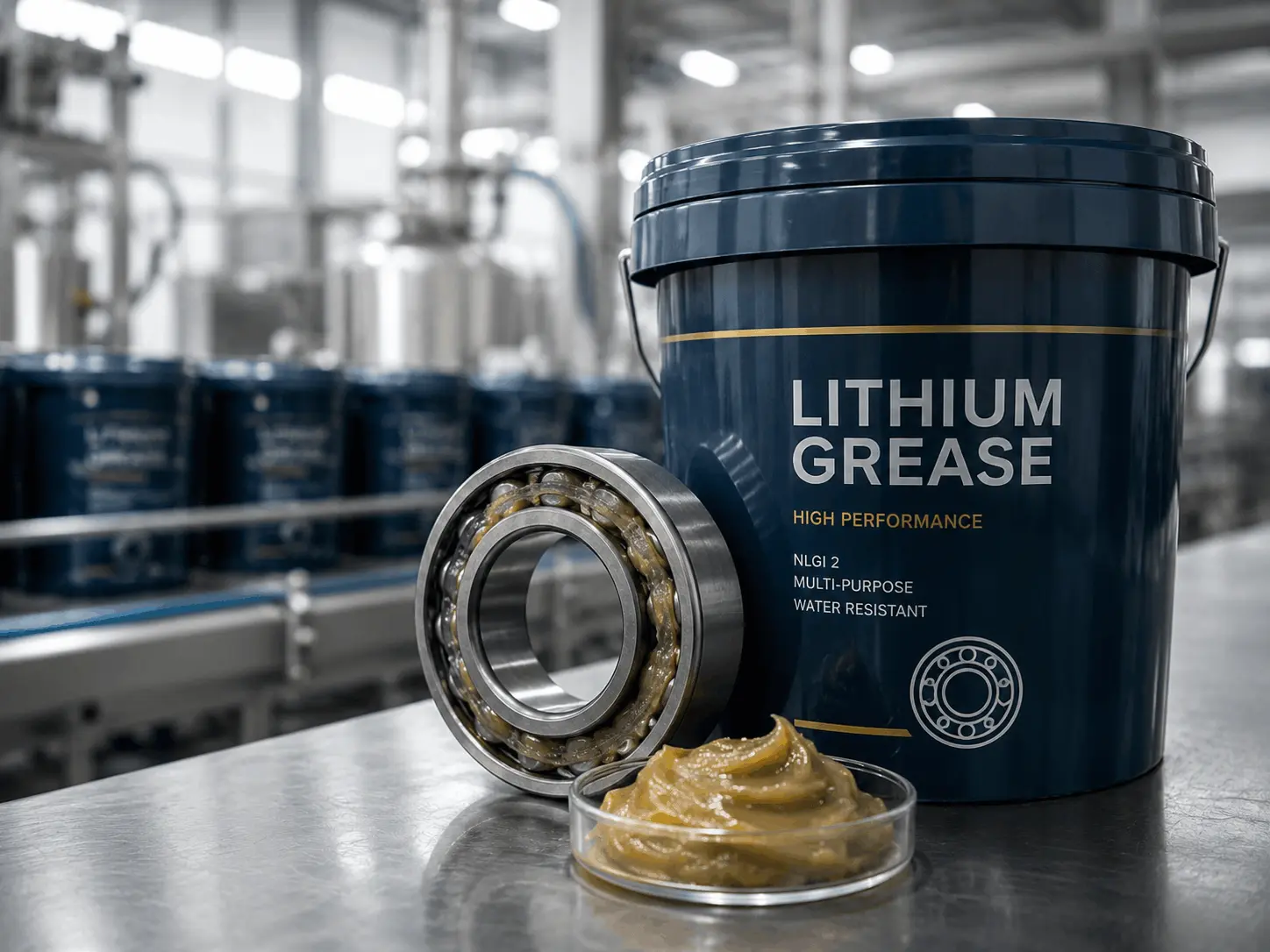
Silicone Grease Manufacturing at Petoravankar is available for applications that require a lubricant with properties different from conventional mineral and soap-based greases. Petoravankar can manufacture silicone base grease according to the material of the components, environmental conditions, and required temperature range. The product can be manufactured in the required volume with a customer-specific formulation, private label, and customized packaging.
Silicone Grease is formulated with silicone oil and offers properties such as good water resistance, thermal stability, and compatibility with many polymeric and rubber components. For this reason, silicone grease is used in applications such as lubricating O-rings, seals, plastic components, and certain mechanisms where lubricant compatibility with non-metallic materials is important.
Silicone grease production consultation and price inquiry form
Frequently asked questions
What Is Silicone Grease?
Silicone grease is a type of industrial grease primarily designed for sealing applications. It is made from silicone oil and thickeners such as silica, and offers long-lasting performance due to its thermal stability and high resistance to moisture.
Silicone-based grease not only reduces friction and wear between components but also helps prevent rust, drying, and water penetration. For this reason, it is used in various industries, electrical equipment, plastic and rubber components, valves, O-rings, and many other industrial and household applications.
To explain what silicone grease is in more detail, it can be described as a specialized lubricant made from silicone oil and thickeners such as silica or fumed silica. These components allow the finished product to maintain effective performance under conditions where many conventional greases may lose their effectiveness.
One of the most important properties of this grease is its ability to maintain its lubricating performance across a wide temperature range, along with high resistance to moisture, oxidation, UV radiation, and many chemicals. For this reason, it is considered a reliable choice for industrial environments and demanding operating conditions.
Common Components of Silicone Greases
Silicone grease typically consists of two main components along with several additives, each of which plays a specific role in the final performance of the product. The type and percentage of these components may vary depending on the grease application, but its overall structure remains relatively similar.
- Maintaining viscosity at very low and very high temperatures
- High resistance to oxidation
- Water repellency and prevention of moisture penetration
- High compatibility with rubber, plastic, and elastomers
- Electrical insulation properties
- Very low evaporation and long service life
Due to these properties, silicone oil maintains stable performance under harsh environmental conditions, unlike mineral oils.
2. Thickeners
To convert silicone oil into grease and prevent it from leaving the surface of components, a thickener is required. The most common thickeners used in silicone greases are amorphous silica or fumed silica. The main functions of these thickeners include:
- Creating a semi-solid, paste-like structure
- Retaining the oil within the grease structure
- Preventing the lubricant from flowing
- Increasing the adhesion of the grease to surfaces
- Improving the mechanical and thermal stability of the product
The presence of silica allows the grease to remain in place even on vertical surfaces or moving components without gradually being displaced or losing its effectiveness over time.
3. Additives
Depending on the intended application of the grease, manufacturers use various additives to improve the performance of silicone greases. These additives usually make up a small percentage of the formulation but play an important role in improving the product’s performance and quality. Some of the most important additives that may be used in silicone grease include:
- Corrosion inhibitors to protect metal surfaces
- Antioxidants to extend grease service life
- Thermal stabilizers to maintain performance at high temperatures
- Anti-wear additives to reduce component wear
- Water- or chemical-resistant additives for specialized applications
In some types of silicone grease, such as those used in the food, medical, or electrical equipment industries, specific additives are used to improve performance while also meeting the relevant industry standards.
Applications of Silicone Grease
Silicone grease applications cover a wide range of industries, including automotive, electrical and electronics, medical equipment, food processing (in approved grades), plumbing and utility systems, industrial machinery, and even household applications. Its stable performance, long service life, and reduced need for relubrication have made silicone grease one of the most widely used specialized types of grease. Below, we explain the most important applications of silicone grease.
1. Lubricating O-Rings, Gaskets, and Rubber Seals
One of the most common applications of silicone grease is lubricating various O-rings, gaskets, and rubber seals. This grease helps prevent rubber from drying out, cracking, and sticking, while increasing the service life of sealing components without causing swelling or deterioration.
2. Valves, Fittings, and Utility Equipment
In water valves, gas valves, fittings, and utility equipment, silicone-based grease facilitates the movement of components and reduces friction. Its high resistance to water and moisture also allows it to maintain its lubricating properties even after prolonged exposure.
3. Electrical Equipment and Electrical Connections
Silicone-based grease is used in sockets, connectors, terminals, and electrical connections. Due to its electrical insulating properties, it helps prevent moisture penetration, corrosion, and oxidation of connections, thereby extending the service life of electrical equipment.
4. Automotive Industry
Another important application of silicone grease is in the automotive industry, where it is used to lubricate brake calipers, door weatherstripping, O-rings, electrical connectors, wires, and plastic components. These applications are mainly due to its high-temperature resistance, water resistance, and compatibility with rubber and polymer components.