

Grease for drills and grinders creates a lubricating film between moving components, reducing friction and direct surface contact and helping the internal components move more smoothly. This is particularly important in these tools because the continuous rotation of gears and internal components can generate heat and cause wear.
On the other hand, grease can help protect components against wear, heat, and the penetration of certain contaminants, thereby extending the service life of internal components and reducing repair costs. However, using the wrong grease can have the opposite effect and interfere with tool performance. Therefore, it is recommended to determine the type of grease, amount required, and lubrication interval based on the manufacturer's recommendations.
Grease for Drills
Drill grease should be able to withstand high rotational speeds, friction, and the heat generated inside the tool. In addition to lubricating the device, it should help reduce wear and prevent abnormal noises. Choosing the right grease for a drill also depends on several factors, including the tool model, type of internal mechanism, and manufacturer's recommendations. Therefore, not every grease is suitable for all drills.
The following types of grease are commonly used for different drills:
- Lithium grease
- Lithium complex grease
- Molybdenum grease
- EP grease
Grease for Grinders
Grinder grease should have adequate resistance to the pressure and heat generated by continuous rotation. Components such as gearboxes, gears, and certain bearings typically require more grease, and using unsuitable lubricants can damage the tool and its components. When selecting grinder grease, consider factors such as rotational speed and the tool model, and avoid using the same type of grease for all components.
Greases used in grinders may include the following:
- NLGI 2 lithium grease
- Molybdenum grease
- EP gear grease
- Grease specifically designed for spindles or bearings
When Should Drills and Grinders Be Greased?
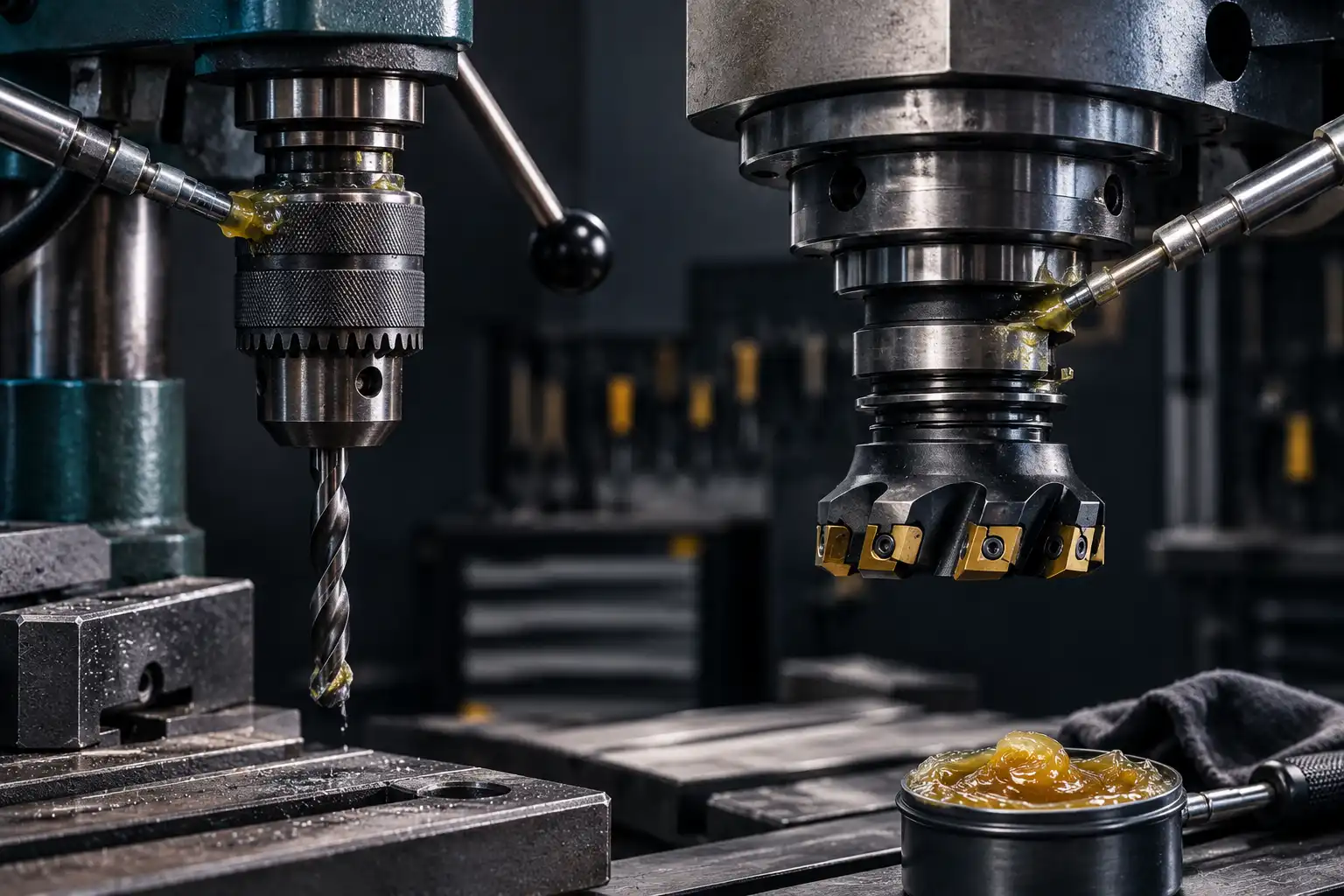
The appropriate lubrication interval for drills and grinders depends on the tool model, frequency of use, and equipment design, so a fixed interval cannot be specified for all tools. If you use the tool continuously, you should check the condition of the grease at shorter intervals. If you notice signs such as excessive gearbox temperature, stiff component movement, or unusual and disturbing noises, be sure to replace the tool's grease.
It is best to lubricate the tool according to the manufacturer's manual and inspect the condition of the grease inside the gearbox and moving components during periodic servicing.
How to Grease a Drill
To grease a drill, first turn off the tool. Then, following the manufacturer's manual, open the access point to the gearbox and remove the old grease from the gears and internal surfaces as thoroughly as possible. Apply the specified amount of drill grease evenly to the gears and the points designated by the manufacturer.
When choosing grease for drills and grinders, do not focus only on grease adhesion or consistency. The gearbox type, rotational speed, and operating temperature are also very important. After greasing, properly reinstall the components and run the tool at low speed for a short period to allow the grease to distribute properly.
How to Grease a Grinder
Greasing a grinder is very similar to greasing a drill. First, turn off the tool and then access the gearbox housing or the required section. Remove any contaminated and old grease. Next, evenly apply the recommended amount of grease for grinders to the gears and designated points.
When choosing the best grease for a grinder, consider the gearbox type, applied load, and tool model. After completing the greasing process, properly close the housing and run the tool for a short period. Finally, check the gearbox operation and listen for any unusual noises.
Signs of Low Grease in Drills and Grinders
When choosing the best grease for drills and grinders, keep in mind that insufficient grease in components such as gearboxes and gears can increase direct metal-to-metal contact, resulting in greater friction and heat generation. If the amount of lubricant has decreased or it has lost its quality, the following signs usually appear:
- Increased gearbox noise
- Increased tool temperature
- Increased vibration
- More difficult tool operation
- Gear wear
- Unusual odor
- Reduced tool performance
Important Tips Before Buying Grease for Drills and Grinders
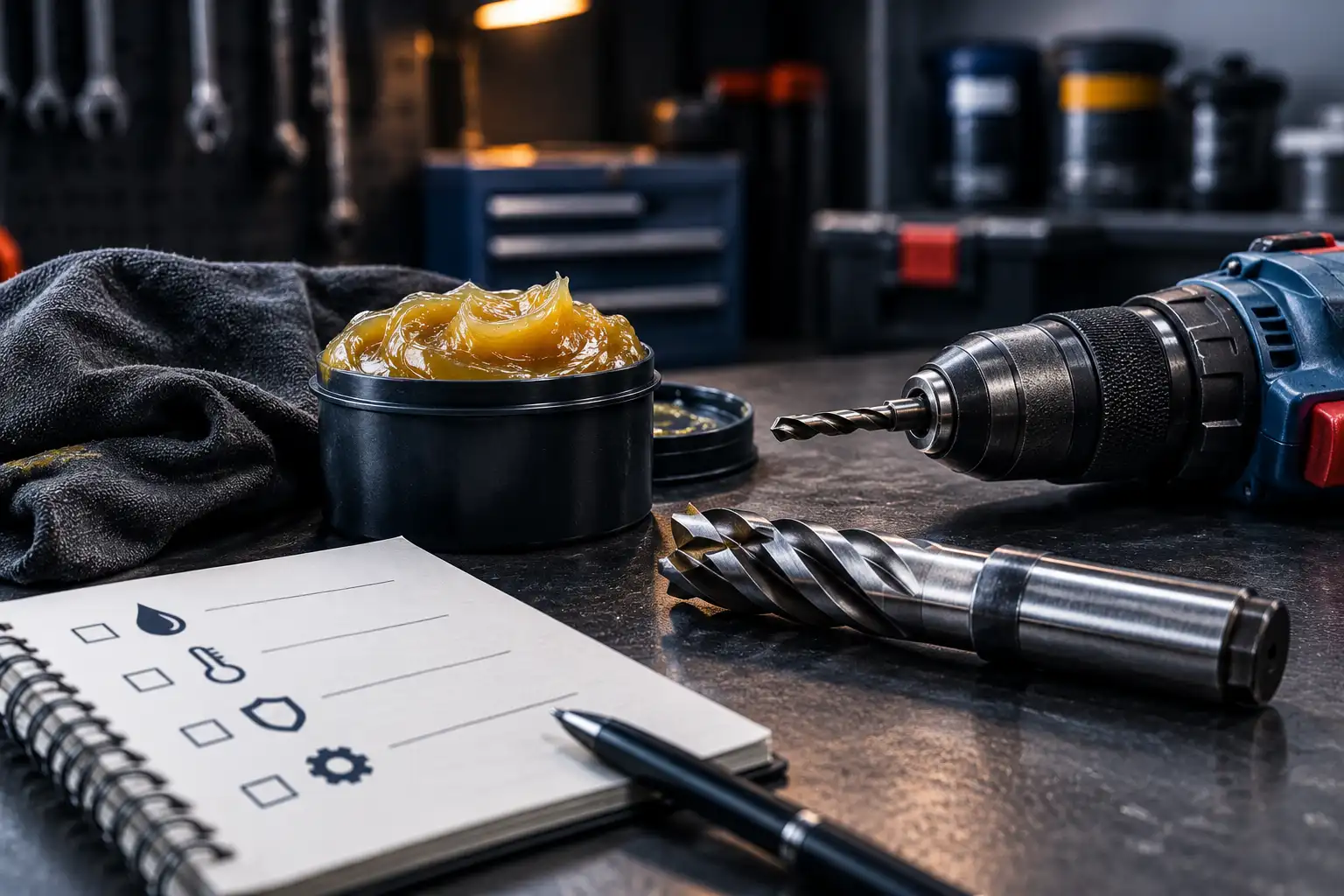
Before buying the best grease for drills and grinders, determine which part of the tool the grease will be used in. Factors such as rotational speed, applied pressure, and gear type also affect the final selection. The most important points include:
- Determine the intended application of the grease.
- The grease consistency (NLGI grade) should match the operating conditions of the component.
- The operating temperature range of the component and the grease should be compatible.
- The rotational speed of the component should be within the speed range for which the grease was designed.
- For components such as gearboxes, grease should have essential properties such as resistance to pressure and wear.
The selection of grease for drills and grinders should be based on the tool type, the specific component, and rotational speed, and one type of grease cannot be considered suitable for all models. This is because the operating conditions of gearboxes, gears, and bearings vary between different tools. Therefore, suitable drill grease should match the technical specifications of the tool. For grinders, the best grease for grinders should also be selected based on the gearbox type, load, and tool speed to prevent incorrect selection from reducing tool performance.