
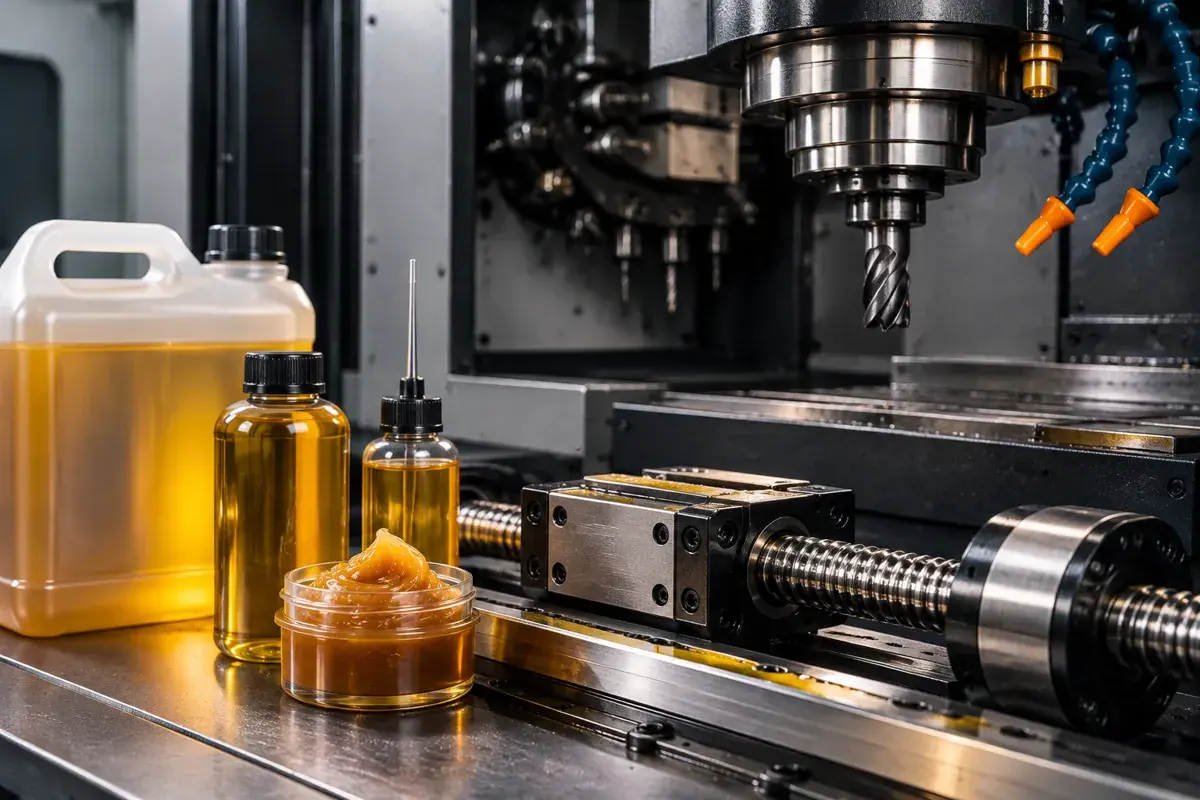
The best oil for CNC machines is one that is compatible with the machine type, the specific component, and its operating conditions. Since spindles, guideways, gearboxes, and hydraulic systems have different lubrication requirements, no single oil can be considered suitable for every part of a CNC machine. Factors such as operating speed, temperature, lubrication system, and the machine manufacturer's recommendations should be considered to help prevent component wear and performance loss.
What Is the Best Oil for CNC Machines?
The right oil for CNC machines cannot be determined without considering the specific part of the machine, as each component operates under different conditions. The component type and application area are the primary selection criteria. In addition, operating speed, load, and the intended function of the oil should also be evaluated. Higher operating speeds generally require oils with specific performance characteristics that can maintain thermal stability at elevated temperatures.
For components exposed to direct loads and pressure, oil resistance to wear and pressure becomes more important. Therefore, when selecting oil for a CNC machine, consider the operating conditions alongside the technical specifications and manufacturer's recommendations.
Types of Oil Used in CNC Machines
Depending on their design and internal components, CNC machines require different oils for lubrication and protection. Each oil is intended for a specific part of the machine, and its selection should be based on the operating conditions of that component. Below is a list of the main oils used in CNC machines:
Guideway Oil
Guideway oil is used to lubricate rails and sliding surfaces and should have good adhesion to prevent it from separating from the surface as the axes move. This property helps maintain a stable lubricant film between the surfaces, reducing friction and wear. The right guideway oil also promotes smoother axis movement, helps maintain machine accuracy, and prevents scoring and damage to the guideway surfaces.
Spindle Oil
Spindle oil is used in spindle systems and some of their bearings and generally needs to have a suitable viscosity for high-speed rotation. Since spindles in many CNC machines operate at high speeds, the oil must be able to control friction and heat generation while maintaining adequate stability under demanding operating conditions.
Hydraulic Oil
In CNC machines equipped with hydraulic systems, hydraulic oil is used for power transmission and lubrication of hydraulic components. This oil should remain stable under pressure and temperature variations while helping prevent wear, rust, and deposits in various components. The appropriate viscosity grade should also be selected based on the type of hydraulic system and the machine manufacturer's recommendations.
Gear Oil
Gear oil is used in gearboxes and transmission systems and should provide good resistance to pressure and wear between gear teeth. This lubricant must remain stable under the pressure caused by continuous gear engagement and retain its properties throughout operation. Choosing the right viscosity is also important, as oil that is too thin or too thick can affect gearbox performance.
Suitable Oils for Each CNC Machine Section
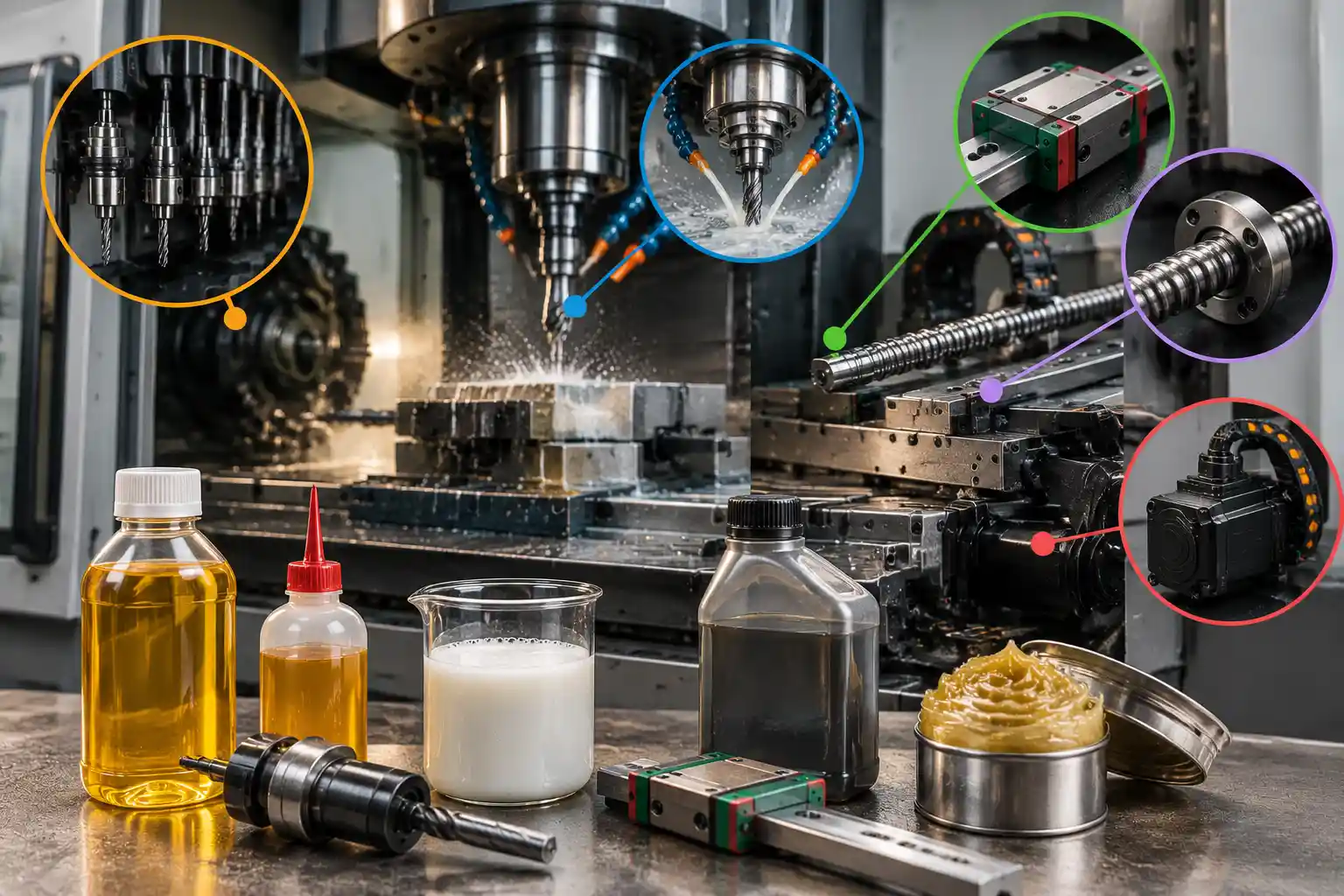
Choosing CNC machine oil should be based on the type of component and the operating conditions of each section, as guideways, gearboxes, and hydraulic systems do not all require the same type of lubricant. Using the right oil can help control heat and maintain the machine's operating accuracy. Below, we introduce the main oils used for different CNC machine components:
- Guideways and rails: Guideway oil or way oil with suitable adhesion to help prevent wear
- Spindle: Spindle oil with the appropriate viscosity for controlling heat
- Gearbox: Gear oil with suitable resistance to pressure and wear
- Hydraulic system: Hydraulic oil suitable for the type of pump and system components
- Chains and moving mechanisms: Specialized chain oil to protect moving components
How to Choose the Best Oil for a CNC Machine?
To choose the best oil for a CNC machine, first determine which part of the machine the lubricant will be applied to. Then, evaluate factors such as operating or rotational speed, load, operating temperature, and the type of lubrication system. Next, compare the oil's technical specifications with the machine's requirements and the manufacturer's recommendations.
Viscosity, oxidation resistance, and performance at the required operating temperature should be compatible with the machine's actual operating conditions. Also, when selecting CNC machine oil, avoid using the same oil for different components unless approved by the manufacturer, as the wrong lubricant can increase friction and even reduce machine accuracy.
Important Tips Before Buying CNC Oil
Before buying the right oil for a CNC machine, it is better not to focus only on the product name or brand. Instead, make sure its specifications match the relevant machine. Each CNC component requires a different lubricant, and choosing the wrong one can cause wear and eventually reduce machine accuracy.
The most important factors to consider before selecting CNC machine oil include:
- Oil Type: First, determine whether the oil is intended for guideways and rails, the spindle, gearbox, or hydraulic system.
- Viscosity: For guideway oils, grades such as ISO VG 32, 68, 150, and 220 are very common. For hydraulic systems, ISO VG 32, 46, and 68 are also widely used grades.
- Operating Temperature: The exact temperature range should be obtained from the machine manufacturer and the oil datasheet. However, it is generally preferable for the oil's permissible operating temperature to exceed the machine's maximum actual operating temperature.
- Load and Pressure: If the guideways or mechanical components are exposed to heavy loads, do not consider ISO VG alone. The FZG test should also be reviewed. Some guideway oils specify FZG performance up to stages 12 or 13 in their datasheets.
- Component Compatibility: For rails and guideways, the oil should be compatible with the surface materials and the machine's cooling system. Some Way Oils are even designed to reduce the impact of oil contamination on water-based coolants.
CNC Machine Lubrication
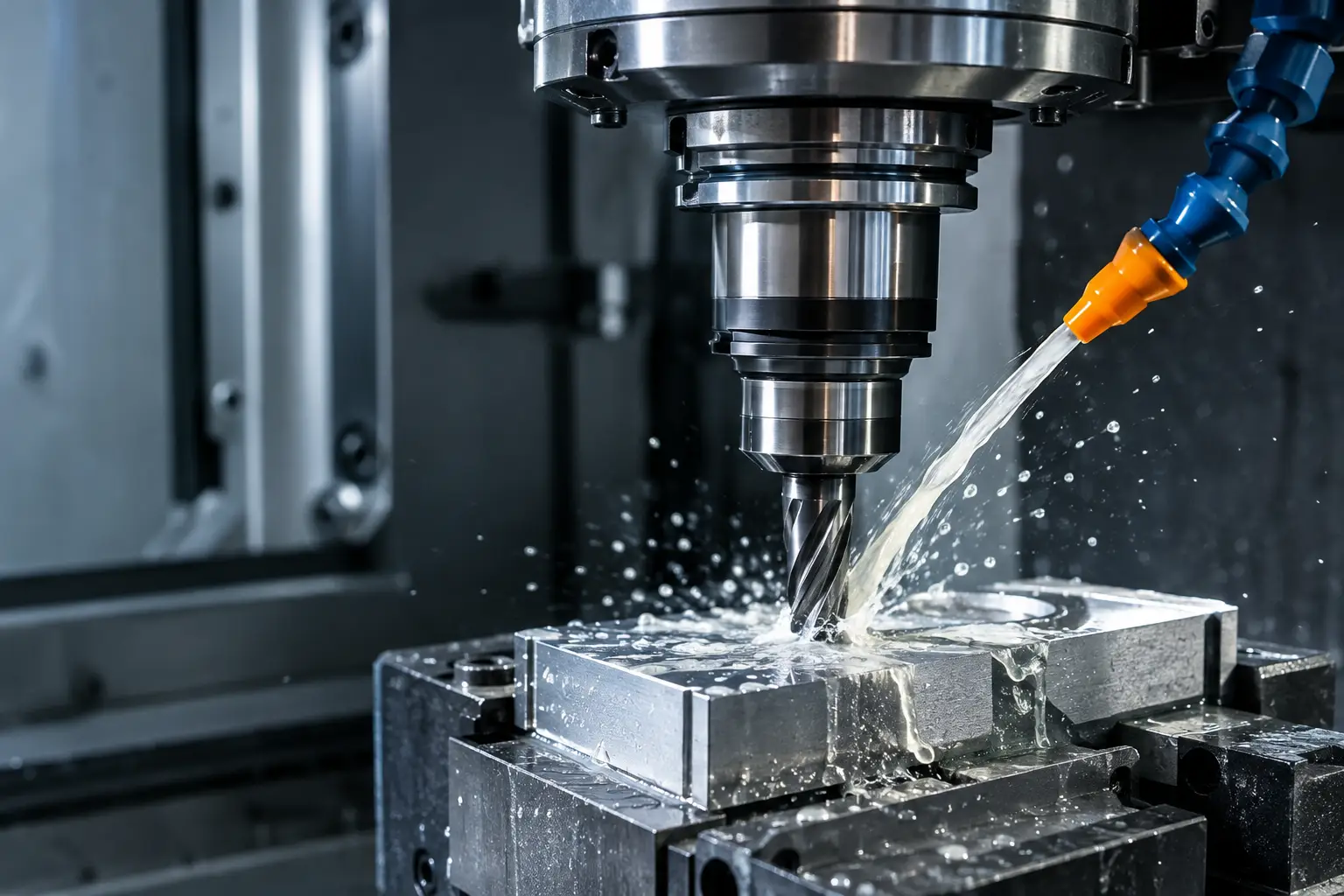
CNC machine lubrication should be performed regularly according to the machine's maintenance schedule. First, identify the appropriate oil for each component, such as the guideways and gearbox, based on the machine manual. Then, check the oil level and add the recommended amount through the machine's lubrication system or designated filling point. Before lubrication, it is best to clean the relevant area of dust, metal chips, and contaminated lubricant.
When lubricating a CNC machine, avoid mixing different oils or applying excessive amounts of grease. The amount and lubrication intervals should also follow the manufacturer's instructions, as the operating conditions and design of each machine can vary.
As discussed, choosing the best oil for a CNC machine depends on factors such as speed, temperature, and load, and one oil cannot be used for every component. Therefore, when selecting the right CNC machine oil, the technical specifications of each component should be considered alongside the manufacturer's recommendations. Choosing the appropriate lubricant can help maintain the machine's accuracy and performance for a longer period.