

The best grease for water pumps is a grease used to protect the moving components of the pump against friction, wear, and heat. This grease is generally used to lubricate bearings, bearing housings, and mechanical parts of water pumps, creating a protective layer that allows the components to move safely. The type of grease may vary depending on the pump model and the application area.
Choosing the right grease is very important, as selecting an unsuitable grease can increase component temperature, cause abnormal noises, and consequently reduce the service life of the pump. Therefore, when choosing a suitable grease, the pump's operating conditions, such as temperature, load, and environmental conditions, should be considered, and the grease should be selected based on the pump's specifications.
What Are the Characteristics of the Best Grease for Water Pumps?
Suitable grease for water pumps should be able to provide stable lubrication under the pump's operating conditions and offer good resistance to water, heat, and wear. Since pumps may operate continuously, the selected grease should remain on the components for an appropriate period and should not leave the lubrication area due to rotation or increased temperature. The most important characteristics of pump grease include:
- Excellent resistance to water washout
- High adhesion and mechanical stability
- High temperature resistance
- Anti-rust and anti-corrosion properties
- Compatibility with sealing components
Which Type of Grease Is Better for Water Pumps?
For water pumps, water-washout-resistant grease is generally a suitable choice so that the lubricant does not quickly leave its place due to moisture or contact with water. NLGI 2 lithium grease and NLGI 2 lithium complex grease are suitable options for many applications, but the final grease selection should be based on the pump type, ambient temperature, and component specifications. Other types of water pump grease are discussed below:
Calcium-Based Grease
Calcium-based grease is the best option for environments that are directly exposed to water. Lithium-based lubricant has excellent resistance to water washout and, by helping prevent rust, can be a suitable choice for higher temperature ranges.
Lithium-Based Grease
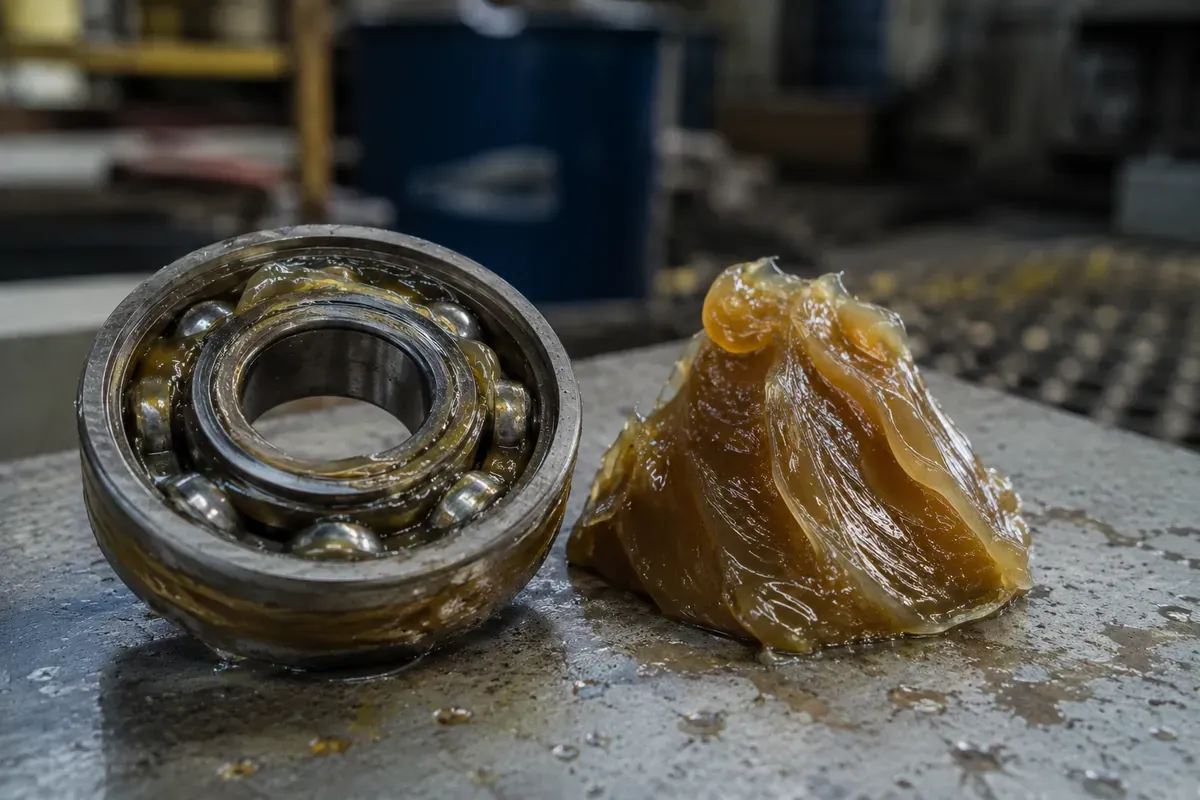
Lithium-based grease is considered one of the best grease options for water pumps and, with its high temperature resistance, provides suitable adhesion to components. It also offers acceptable resistance to moisture and can maintain its lubricating performance under suitable operating conditions.
Silicone and Synthetic Greases
These greases are suitable options for protecting fibers, springs, packings, and rubber components in water pumps, and they show very good stability against temperature changes. Due to their compatible formulation, these types of grease do not cause undesirable reactions with many plastic components and can be used as a suitable grease for water pumps.
When Should a Water Pump Be Greased?
Determining the exact water pump greasing interval depends on factors such as daily operating time, ambient temperature, and pump type, so a fixed interval cannot be defined for all pumps. In general, household or low-duty pumps usually need to be regreased every 12 to 18 months. Industrial and agricultural pumps, however, operate continuously and should be checked and greased at shorter intervals, approximately every 3 to 6 months, before the start of the irrigation season.
In addition to this schedule, a water pump may show certain signs indicating that it is time to replenish the grease. Signs such as unusual noise coming from the bearings, abnormal heating of the pump housing, or blackening around the components can indicate that the grease needs to be replaced. Ignoring these signs can cause serious damage to the bearings within a short period and may eventually cause the pump to burn out.
Step-by-Step Guide to Greasing a Water Pump
Greasing a water pump is generally not a complicated task, but carefully following the steps below can help maximize the service life of the water pump without damaging the bearings or internal components. The step-by-step water pump grease procedure is as follows:
- Safety and Power Disconnection:
Before doing anything, completely disconnect the water pump from the main power supply at the circuit breaker to prevent the device from starting unexpectedly. - Cleaning the Housing:
Using a dry cloth, thoroughly clean the area around the grease inlet and outlet and the covers. - Opening the Grease Drain Cover:
Open the grease drain plug or cover at the bottom of the bearing housing so that the old grease has a way to exit when the new grease is injected. - Injecting New Grease:
Connect the grease gun to the grease fitting and slowly pump in the new grease. Continue injecting until fresh grease comes out of the drain outlet. - Short Pump Operation:
Leave the drain cover open, reconnect the power, and allow the pump to operate for 10 to 15 minutes so that excess pressure can be released. - Closing the Cover and Final Cleaning:
Turn off the pump, securely close the drain cover, and completely clean off any excess grease.
Tips for Buying Water Pump Grease
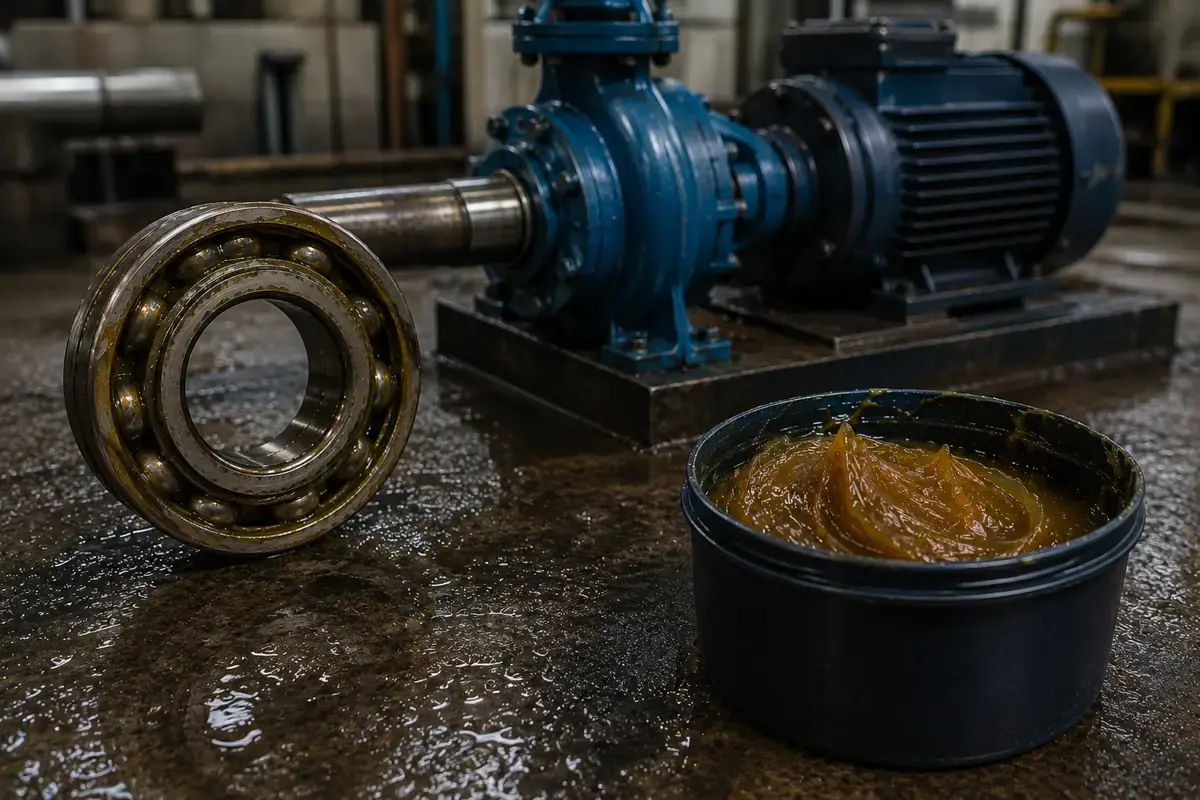
There are many factors to consider when buying water pump grease to ensure the health of the bearings and the proper operation of the pump. When buying, do not focus only on the brand or price; first, consider the pump's operating conditions. The type of bearing, rotational speed, level of water exposure, and other factors can have a significant impact on the selection of this lubricant. The most important points to know before buying water pump grease include:
- Resistance to water and water washout
- Suitable grease consistency and selection of the appropriate grade
- Adequate resistance to heat and pressure
- Anti-wear and anti-corrosion properties
- Compatibility with the previous grease
- Attention to technical specifications and the pump manufacturer's recommendations
Choosing the best grease for water pumps has a direct impact on reducing wear and preventing downtime. As discussed, suitable water pump grease should have high resistance to water washout and adequate adhesion so that it does not lose its performance at high motor speeds. Therefore, before selecting the right grease, review the technical specifications and manufacturer's recommendations to choose a lubricant suited to the pump's operating conditions and help prevent repair costs.